How To Pest-Proof Your House
Keeping your home pest-free is all about prevention. Once pests like ants, cockroaches, rodents, or termites get inside, they can multiply quickly and cause expensive damage. The best defense is to stop them before they ever find a way in. This guide will walk you through how to identify risks, block entry points, and maintain a pest-resistant environment year-round. For anyone looking to stay ahead of infestations, professional help from experts in pest control mackay can make the difference between a minor nuisance and a significant problem.
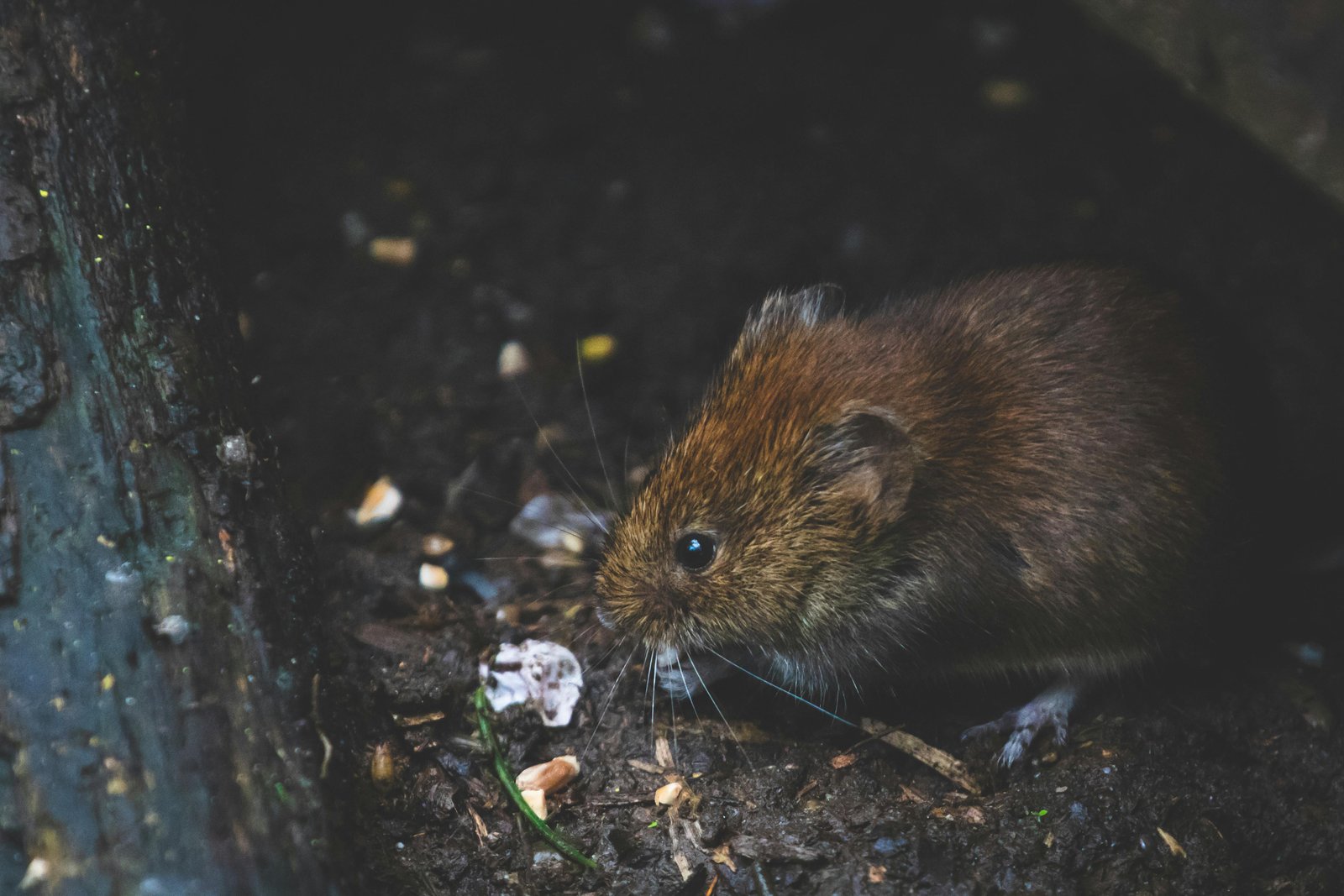
Understanding Why Pests Invade Homes
Pests are constantly searching for food, water, and shelter. Houses offer all three in abundance if homeowners aren’t vigilant. Even the tiniest cracks, unsealed vents, or neglected drains can become gateways for insects and rodents. Warm, sheltered areas such as roof spaces, basements, and wall voids provide ideal nesting spots. By learning how to identify and remove these attractants, you make your home far less appealing to unwanted guests.
Common Entry Points
Most pest problems begin with a few overlooked gaps or openings. Focus your attention on:
- Doors and Windows: Check for worn weather-stripping, torn flyscreens, or gaps at the bottom. A simple brush seal or door sweep can close off easy access points.
- Pipes and Cables: Where plumbing or wiring passes through walls, seal gaps with silicone or expanding foam.
- Vents and Weep Holes: Use fine mesh to keep out insects while allowing ventilation.
- Roof and Eaves: Ensure tiles and fascia boards are in good condition, with no broken sections that could allow rodents to enter.
- Drains: Fit covers or guards to block cockroaches and other crawling pests.
Inspect these areas at least once a season. Many infestations start small—ants nesting near a kitchen window or mice squeezing through a garage gap—but grow rapidly if unchecked.
Eliminating Food and Water Sources
Most pests thrive on what we leave behind. Keeping things clean and dry is one of the easiest, most cost-effective ways to prevent infestations.
- Store Food Properly: Keep pantry staples in sealed containers, and don’t leave pet food out overnight.
- Clean Regularly: Wipe counters, sweep crumbs, and vacuum corners and behind appliances. Even a few stray crumbs can attract ants and roaches.
- Manage Waste: Use bins with tight-fitting lids and empty them regularly. Rinse bottles and cans before recycling.
- Fix Leaks: Dripping taps, leaking pipes, and blocked gutters provide the moisture pests need to survive.
- Outdoor Water Control: Tip out standing water from saucers, toys, or buckets weekly to deter mosquitoes.
Reducing Shelter and Clutter
Pests love dark, undisturbed spaces where they can nest safely. Reducing clutter is one of the simplest ways to pest-proof.
- Declutter cupboards, basements, and garages.
- Avoid storing cardboard boxes directly on floors; use plastic bins with lids.
- Keep garden beds and mulch away from the home’s foundation.
- Trim overhanging branches and vines to eliminate “bridges” for ants and rodents.
If you burn firewood, stack it off the ground and away from exterior walls to prevent termite or rodent attraction.
DIY Pest Prevention Steps
For minor pest issues, you can take practical steps before calling in professionals:
- Use ant baits along trails and seal the entry points afterward.
- Apply cockroach gels in cracks, hinges, and behind appliances.
- Place rodent traps in roof spaces or along walls, checking them regularly.
- Use diatomaceous earth or silica dust lightly in gaps where insects travel.
- Keep lighting outdoors to warm or yellow hues, which attract fewer insects.
Always read and follow label directions carefully, especially when using pesticides around children or pets.
When to Call a Professional
Some situations require expert help, especially for pests like termites, recurring infestations, or rodents in inaccessible areas. Licensed pest controllers use advanced tools such as moisture meters, bait systems, and non-repellent treatments to target infestations effectively and safely. Professionals can also identify vulnerabilities that aren’t obvious—like hidden leaks, damaged flashing, or structural entry points.
Creating a Maintenance Routine
The most successful pest-proofing isn’t a one-time task—it’s part of regular home maintenance. Here’s a simple rhythm to follow:
- Monthly: Inspect kitchens, bathrooms, and storage areas for droppings, chew marks, or small insects.
- Quarterly: Refresh exterior sprays or baits, check for gaps in seals, and trim vegetation.
- Annually: Schedule a comprehensive inspection, especially for termite risk.
These habits prevent most problems from escalating and keep your home secure through changing seasons.
Final Thoughts
Pest-proofing is about consistency, cleanliness, and early detection. Seal entry points, manage moisture, and keep food stored properly. When an infestation does appear, act quickly and, if needed, call a trusted professional. Regular inspections and small preventative steps go a long way in protecting your home, your family, and your peace of mind.
If you’re ready to make pest prevention part of your household routine, partnering with experienced professionals in pest control Mackay can provide lasting protection and expert advice tailored to your needs.
